
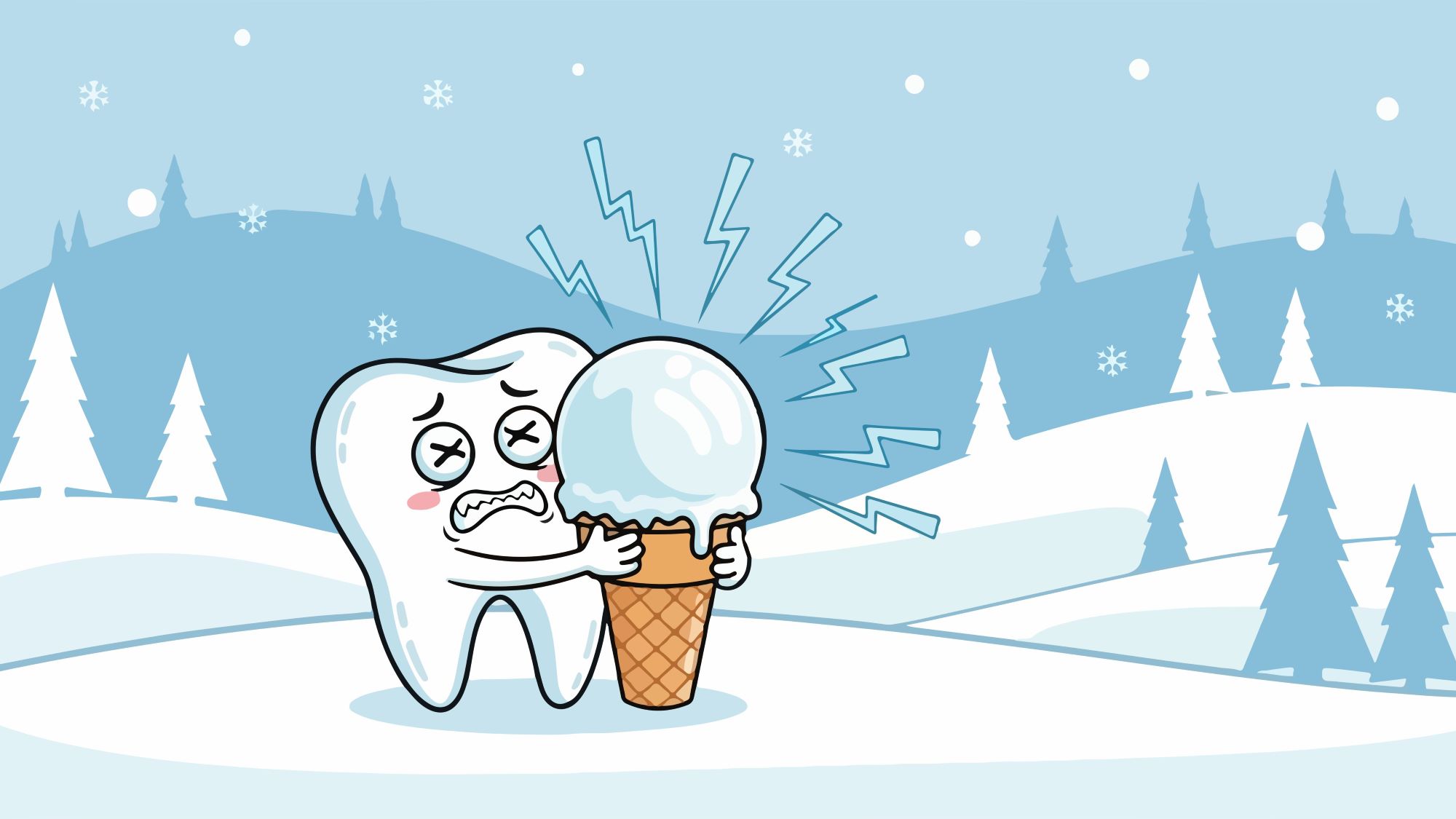
17 Nov Winter Teeth Sensitivity: Why Your Teeth Hurt in the Cold
The weather is getting colder as excitement for the upcoming holidays begins to rise. However, there’s nothing to ruin the pre-holiday mood like dry skin, runny noses, and sensitive teeth. While it’s totally normal to experience winter teeth sensitivity when a cold wind hits your face, what if it persists? Perhaps you’re wondering, “What about teeth sensitivity when I’m indoors? Is that normal?” 1 in 8 U.S. adults has sensitive teeth due to exposed dentin. Teeth sensitivity, medically referred to as dentinal hypersensitivity (DH), affects 10-30% of the population and impacts 20 to 50-year-olds the most.
Occasional teeth sensitivity is usually harmless. However, dentin hypersensitivity can be a sign of an underlying condition. Recognizing signs of worsening symptoms and learning what you can do to protect your teeth can promote oral health and reduce winter teeth sensitivity. In this article, we’ll discuss the causes of winter teeth sensitivity, what can be done about it, and when to seek help.
What Is Winter Teeth Sensitivity?
It seems odd that rock-hard teeth with the ability to crush food have an uncommon tendency to become sensitive. Sensitivity happens when the protective layer on your teeth, called enamel, gets broken down. Enamel is what protects your teeth from breakdown and decay. However, if this protective coating is compromised, it exposes the middle layer (dentin) as well as nerves. Dentin is the soft part of the tooth containing microscopic tubes leading to the nerves.
These dentin tubules can become highly sensitive to stimuli when the enamel layer breaks down. Extreme temperatures can affect your teeth can travel down the small tubes and trigger nerves, causing a light burning pain. This is often why a rush of cold air in your face can make your teeth hurt. While dentin exposure is typically the main cause of tooth sensitivity, cracked teeth can also cause pain from entering entry. Enamel breakdown is typically the result of brushing too hard, consuming acidic foods, or TMD/TMJ disorders.
Causes of Tooth Sensitivity
While some people may brush with a stiff toothbrush (as opposed to a soft brush) to improve their dental health, this practice has been shown to increase tooth sensitivity. In fact, it is the second most influential factor resulting in tooth sensitivity, right after smoking. These, however, are not the only factors contributing to teeth sensitivity. Teeth are naturally sensitive to the cold. Excessive sensitivity, on the other hand, may not be the sole result of the winter wind. Receding gums can result in teeth sensitivity because it cause unintentional exposure of the teeth. Many may not be aware, but overuse of teeth whitening products can lead to sensitive teeth.
Food and drink are an often-overlooked category in the search for the source of oral conditions. Sweet, sour, hot, or cold food or liquid can often trigger pain for sensitive teeth. Excessive use of coffee, tomatoes, or wine is also considered to be a leading factor in the delicate condition of teeth. Poor plaque management and periodontal disease can increase winter teeth sensitivity, which is why maintaining dental hygiene is so important.
Facial piercings may lead to gum recession, which further increases sensitivity. Although it may come as a surprise, orthodontic work can actually contribute to gum recession and, consequently, tooth sensitivity. While winter teeth sensitivity may occur naturally, practicing good oral habits and limiting foods harmful to teeth can promote health.
Building Resilient Teeth
If broken-down enamel worsens winter teeth sensitivity, how can it be fixed? Once a person’s teeth reach clinical dentin hypersensitivity, complete reversal of damage can only happen through invasive recoating procedures. There are many options, however, for individuals who would prefer low-cost home remedies. For those with mild but annoying tooth pain, using a soft toothbrush instead of an electric one can prevent further damage. In addition, using sensitive toothpaste can help remineralize and restore teeth. These toothpastes prevent sensitivity by obstructing the tiny tubules from reaching the nerves and resulting in pain.
Another option, particularly in cold weather, is breathing through your nose to prevent cold air from passing through your teeth. The most important thing to remember when finding ways to protect your teeth is to maintain good dental hygiene. Gum inflammation, decay, and bacterial growth are contributing factors to pain, but can be managed through proper dental care. Cervical restoration is the application of a coating to the teeth as an enamel replacement. However, this treatment is invasive and irreversible. Brushing with a soft brush, using sensitive toothpaste, and practicing dental hygiene is best for protecting sensitive teeth.
When to Seek Help
While winter teeth sensitivity is often trivial to most people, if left unaddressed, it can lead to potential dental intervention. Tooth sensitivity is often caused by gum disease and tooth decay. Severe dentin hypersensitivity, if left untreated, can lead to an infected tooth. Healthy teeth are not usually sensitive to sweets. If eating sugar causes your teeth to hurt, then you may need to get it checked out by your dentist. If you are dealing with mild tooth sensitivity, your dentist may have toothpaste recommendations.
Conclusion: Winter Teeth Sensitivity
Although considered a medical condition, dentin hypersensitivity, or sensitive teeth, is common for many people, especially in the winter months. While food and drinks such as coffee, wine, and tomatoes can exacerbate sensitivity, simple dental habits can prevent tooth pain. Smoking, gum recession, and even using an electric toothbrush can increase the breakdown of enamel. Building consistent dental habits can help reduce the risk of periodontal disease and winter teeth sensitivity in the colder months.
Wynne Downtown Dental is here to help, no matter what time of year it is. If you are experiencing winter teeth sensitivity, please schedule an appointment with us today!

About Our Team
With over 30 years of expertise in the field of dentistry, our team here at Wynne Downtown Dental is ready to meet your needs.
We’re passionate about educating our patients on improving their oral health and helping our patients get the smile they deserve.
To learn more, visit our team page. Ready to book? Schedule an appointment with us today.