
04 May How Can I Take Care of My Gums?
Healthy gums are the foundation of a healthy smile. While many people focus on their teeth, gum health is just as important. They support your teeth, protect the roots, and help prevent infection. When your gums are not properly cared for, problems like inflammation, bleeding, and even tooth loss can occur. The good news is that taking care of them is simple with the right habits. This article explores how you can take care of your gums and maintain strong, healthy oral health.
Brush Properly to Protect Your Gums
Brushing your teeth is one of the most important ways to take care of your gums. However, how you brush matters just as much as how often you brush. Many people brush too aggressively, thinking it will clean their teeth better. In reality, brushing too hard can damage your gums and cause them to recede. Use a soft-bristled toothbrush and gentle, circular motions. Focus on cleaning along the gumline, where plaque tends to build up.
This helps remove harmful bacteria without irritating your gums. Brushing twice a day is essential for keeping your gums healthy. It is also important to replace your toothbrush regularly. Worn bristles are less effective and can be harsh on your gums. Aim to replace your toothbrush every three months or sooner if the bristles begin to fray. Taking a few extra moments to brush properly can go a long way in protecting your gums from irritation and disease.
Floss Daily to Remove Hidden Plaque
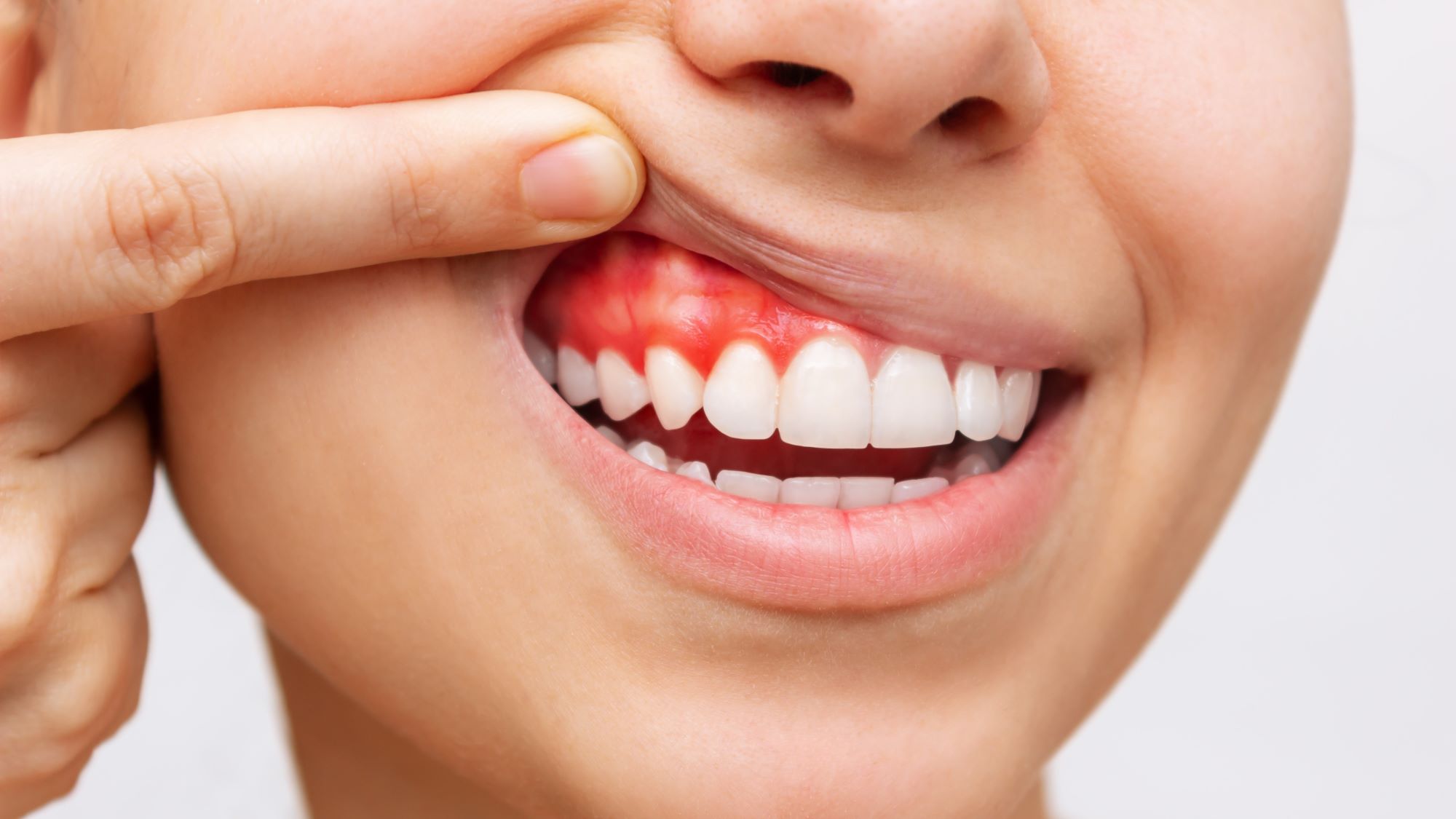
Brushing alone is not enough to fully take care of your gums. Flossing plays a critical role in removing plaque and food particles from between your teeth. These are areas your toothbrush cannot reach. When plaque builds up between teeth, it can quickly irritate your gums and lead to inflammation. This is often the beginning stage of gum disease, known as gingivitis. Symptoms may include redness, swelling, and bleeding when brushing or flossing.
Flossing once a day helps prevent this buildup. Be gentle when flossing, and avoid snapping the floss into your gums. Instead, guide it carefully between your teeth and curve it around each tooth to clean effectively. If traditional floss is difficult to use, there are alternatives like floss picks or water flossers. The key is consistency. Daily flossing is one of the best ways to take care of your gums and prevent long-term issues.
Maintain a Healthy Diet for Strong Gums
What you eat has a direct impact on your gum health. A balanced diet provides the nutrients your gums need to stay strong and resist infection. Certain vitamins, especially vitamin C, are essential for maintaining healthy gum tissue. Foods rich in vitamin C, such as oranges, strawberries, and leafy greens, help support your immune system and reduce gum inflammation.
Calcium-rich foods like milk, cheese, and yogurt also play a role by strengthening the structures that support your teeth. On the other hand, sugary and processed foods can harm your gums. These foods feed bacteria in your mouth, leading to plaque buildup and irritation. Over time, this can increase your risk of gum disease. Drinking plenty of water is also important. Water helps wash away food particles and bacteria, keeping your mouth clean. It also supports saliva production, which naturally protects your gums.
Avoid Habits That Damage Your Gums
Certain habits can quietly harm your gums over time. Being aware of these habits is an important step in protecting your oral health. Smoking is one of the most harmful habits for your gums. It reduces blood flow to the gum tissue, making it harder for your body to fight infection and heal properly. Smokers are at a much higher risk of gum disease and tooth loss.
Teeth grinding and clenching can also put stress on your gums and the structures that support your teeth. Over time, this pressure can lead to gum recession and other problems. If you suspect you grind your teeth, especially at night, talk to your dentist about possible solutions. Even small habits, like using your teeth to open packages or chewing on hard objects, can cause damage. These actions can cause gum irritation and increase the risk of injury.
Visit Your Dentist Regularly
Regular dental visits are essential if you want to take care of your gums properly. Even with excellent at-home care, there are areas in your mouth that are difficult to clean on your own. Professional cleanings remove plaque and tartar that have built up over time. Tartar, in particular, cannot be removed with regular brushing and flossing. If left untreated, it can irritate your gums and lead to gum disease.
Your dentist can also check for early signs of gum problems. Catching these issues early makes treatment much easier and more effective. In many cases, early gum disease can be reversed with improved oral care and professional guidance. Most people should visit the dentist every six months, but your dentist may recommend more frequent visits depending on your needs.
Conclusion
Taking care of your gums does not have to be complicated. Simple daily habits can make a big difference in your oral health. Brushing gently, flossing consistently, eating a balanced diet, and avoiding harmful habits all contribute to strong, healthy gums. If you need help getting started, Wynne Downtown Dental is here to help and is accepting new patients – schedule an appointment with us today!

About Our Team
With over 30 years of expertise in the field of dentistry, our team here at Wynne Downtown Dental is ready to meet your needs.
We’re passionate about educating our patients on improving their oral health and helping our patients get the smile they deserve.
To learn more, visit our team page. Ready to book? Schedule an appointment with us today.