
04 Aug Invisalign and Braces – What’s the Difference?
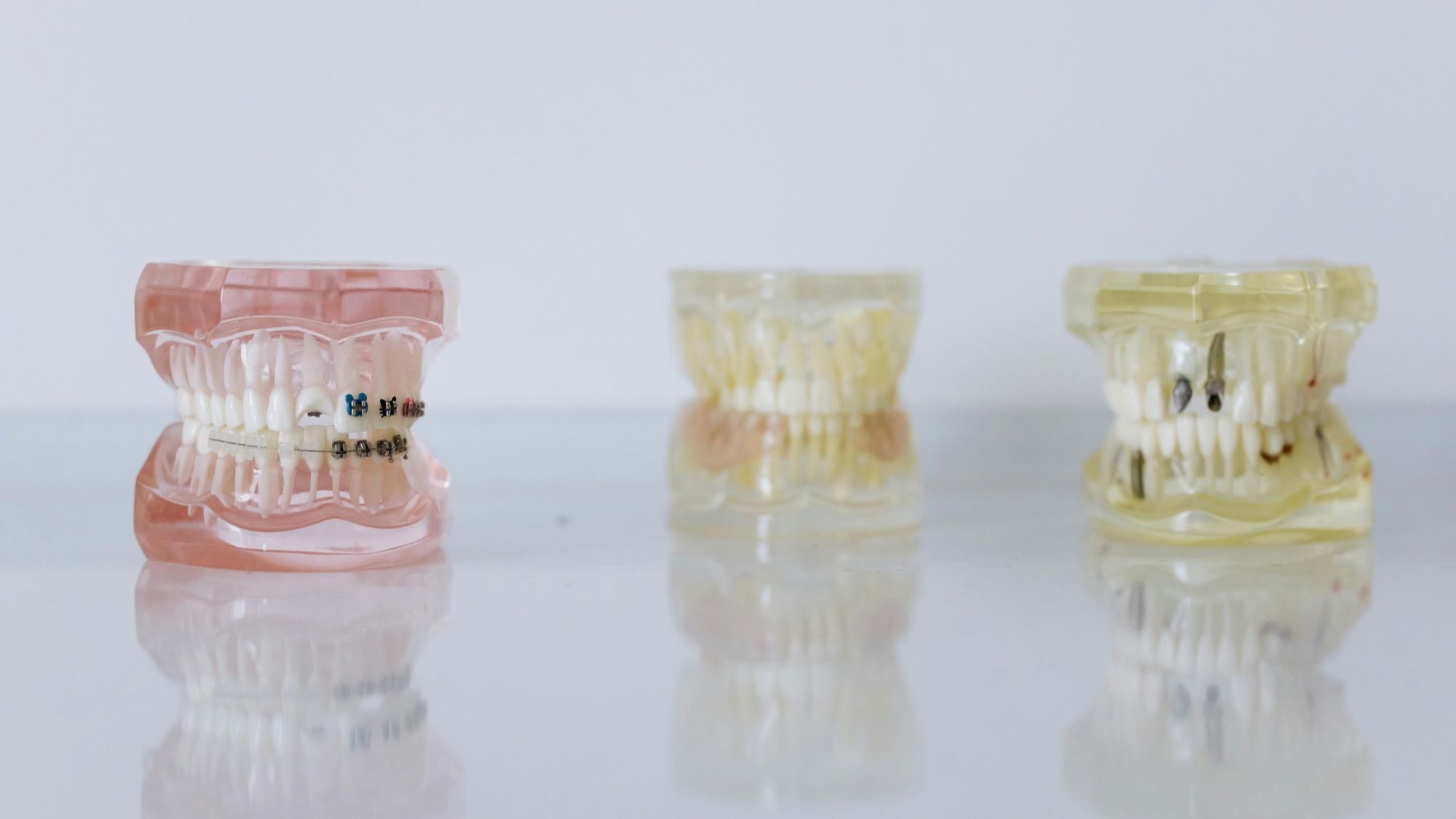
When it comes to straightening your teeth, there are many options. For decades, braces were the obvious method. They are effective and widely available. In recent years, Invisalign has become a popular alternative. At first glance, they seem to do the same thing. They both move your teeth and correct alignment problems. But in reality, they are quite different in many ways. So let’s explore the differences between Invisalign and braces.
Appearance and Visibility
One of the biggest differences between Invisalign and braces is how they look. Traditional braces are made of metal brackets and wires. These are attached to the front of your teeth. Even with clear or ceramic options, they are still visible. Braces are not very discreet, and they can affect your smile during treatment. For some people, especially adults, this can be a concern. Invisalign, on the other hand, is almost invisible. It uses clear plastic aligners that fit snugly over your teeth. These aligners are custom-made for your mouth. They are very difficult to see unless someone looks very closely.
This is one of the reasons why Invisalign is so popular among adults and teens. It allows people to straighten their teeth without drawing attention. You can go about your day, attend meetings, and take photos without worrying about how your smile looks. This difference in appearance is often a deciding factor for many patients.
Comfort and Feel
Braces are made of metal, which can cause discomfort. The brackets can rub against the inside of your mouth. This can lead to sores or irritation. The wires can poke your cheeks or gums. After each adjustment, you may feel tightness and soreness as your teeth shift. Invisalign aligners are made from smooth plastic. They do not have sharp edges or wires. Most people find them more comfortable than braces. You might feel pressure when you switch to a new set of aligners. But it is usually less painful than getting braces tightened.
There is less risk of injury or mouth irritation with Invisalign. This makes the experience more pleasant for many users. However, comfort is also about habit. Some people take time to get used to wearing aligners all day. You have to remove them when you eat or drink anything other than water. At first, this can be inconvenient. But once you get used to the routine, it can become second nature. Overall, most patients report greater comfort with Invisalign than with metal braces.
Treatment Process and Control
Braces are fixed to your teeth. Only your orthodontist can adjust them. You need regular appointments to tighten the wires and monitor progress. The orthodontist has full control over the treatment. If something breaks or comes loose, you need to visit the office to get it fixed. Invisalign treatment gives you more responsibility. You receive a series of aligners, each worn for one to two weeks.
You switch to the next set on schedule, and your teeth gradually move. Orthodontist visits are still necessary, but not as often. They will check your progress and give you the next batch of aligners. This system gives you more flexibility and freedom. But it also requires discipline. You must wear the aligners for 20 to 22 hours each day. If you do not, your treatment could take longer. If you lose an aligner or skip steps, your progress can be delayed. This makes Invisalign a better option for responsible teens or adults who can follow instructions.
For people who need more complex treatment, braces may be more effective. Braces can correct severe alignment issues, rotate teeth, and fix bite problems. Invisalign has improved in recent years, but it still has limitations. Your orthodontist will decide which method works best for your case. In some situations, they might even recommend a combination of both.
Maintenance and Hygiene
Taking care of your teeth during orthodontic treatment is important. With braces, brushing and flossing can be tricky. The wires and brackets get in the way. Food can get stuck easily, especially around the brackets. You need special tools like floss threaders and interdental brushes. If you do not clean well, you risk cavities or gum problems. Invisalign makes dental hygiene easier.
Since the aligners are removable, you can take them out to brush and floss. This allows you to maintain your usual oral hygiene routine. There are no metal parts to clean around. You also clean the aligners themselves using special solutions or gentle brushing. However, Invisalign has its own hygiene rules. You must clean the aligners regularly to prevent odor or bacterial buildup.
You cannot eat or drink anything except water while wearing them. If you drink coffee or soda with them in, you might stain the plastic. You also need to brush your teeth after every meal before putting the aligners back in. This prevents food particles from getting trapped inside. While both options require effort, Invisalign usually makes it easier to keep your mouth clean. That said, if you are not careful, the aligners can still harbor bacteria. Good habits are essential, no matter which treatment you choose.
Lifestyle Impact and Eating Habits
Braces can change your daily habits. There are many foods you must avoid. Sticky candies, hard nuts, and popcorn are off-limits. These can damage the wires or get stuck in the brackets. Eating becomes a bit more complicated. You also have to be cautious when playing sports. A hit to the mouth with braces can cause injuries or damage the hardware. Invisalign aligners are removable, so you can eat whatever you like.
There are no food restrictions. You just take the aligners out before meals and snacks. This is a big advantage for many people. It lets you enjoy your favorite foods without worry. Sports are also easier with Invisalign. You can remove the aligners and wear a mouthguard if needed. But there is a catch. Since you must wear Invisalign for most of the day, every break counts.
If you take too many long eating breaks, it can delay your progress. You need to be mindful of time. You also need to brush after every meal, which can be inconvenient when eating out. For some, this might be a hassle. But for others, the ability to eat freely is worth the extra effort.
Conclusion
Invisalign and braces are both tools for straightening teeth. They share the same goal, but they go about it differently. Braces are more traditional, effective for all types of alignment issues, and require regular orthodontic visits. They are visible and can be uncomfortable, but they offer strong control and predictable results.
Invisalign offers a more discreet and comfortable experience. It gives you more flexibility, better hygiene, and no food restrictions. But it requires discipline and is not ideal for every case. Choosing between Invisalign and braces depends on your needs, lifestyle, and the complexity of your dental problems.
If you need help deciding between Invisalign and braces, look no further. Contact Wynne Downtown Dental today – we offer clear aligners and can help you make the best decision, offering excellent dental advice on both Invisalign and braces.
About Our Team
With over 30 years of expertise in the field of dentistry, our team here at Wynne Downtown Dental is ready to meet your needs.
We’re passionate about educating our patients on improving their oral health and helping our patients get the smile they deserve.
To learn more, visit our team page. Ready to book? Schedule an appointment with us today.