
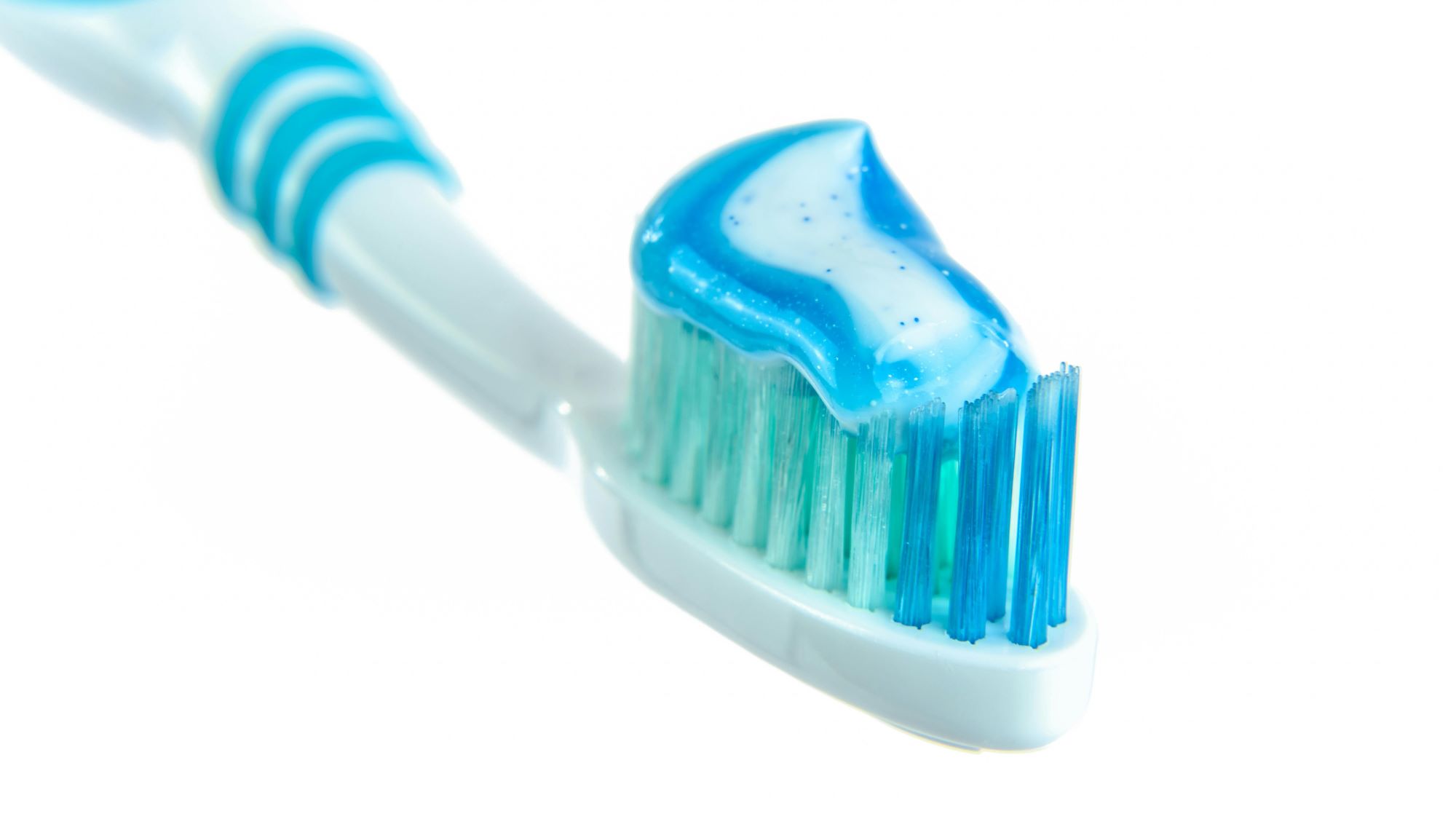
01 Sep How Bad Is It To Skip Toothbrushing?
Toothbrushing is a daily ritual for many, but not everyone treats it as a habit. Between late-night fatigue, busy mornings, and forgetfulness, it is easy to skip toothbrushing once in a while. Some people believe that missing a brushing session occasionally is harmless. Others assume the body can manage on its own. But your mouth needs consistent care to stay healthy. Neglecting this care can lead to a series of problems that go far beyond just bad breath.
Skipping one brushing session might not seem like a big deal, but doing it often adds up. The consequences of neglecting your oral hygiene build slowly over time. This article explores how bad it is to skip toothbrushing and how you can make the right decisions for your dental health.
Plaque Builds Up Faster Than You Think
Plaque is a sticky, colorless film that forms on your teeth after eating and drinking. It is full of bacteria that feed on sugars from your food. When you skip toothbrushing, you give plaque a chance to thrive. It does not take long for plaque to harden into tartar. At that point, only a dental professional can remove it. Tartar buildup is more than just unattractive. It creates a tough environment where bacteria can hide, multiply, and produce acids. These acids erode enamel, the hard protective layer of your teeth. Once enamel is gone, it cannot grow back.
This process starts silently. You will not feel pain until the enamel is seriously damaged. If you skip toothbrushing regularly, even once a day, the plaque builds up rapidly. You might not see it right away, but it will start to cause stains, foul odors, and inflammation in your gums. Over time, that leads to bigger problems like cavities and gum disease. The good news is that daily brushing disrupts plaque formation and keeps it under control.
Gum Disease Starts Small and Ends Badly
When you skip toothbrushing, your gums are among the first parts of your body to suffer. Gingivitis, the earliest stage of gum disease, can begin within days. It often starts with swollen, red, or bleeding gums when you brush. You might ignore it because there is little or no pain. But ignoring gingivitis lets it progress to periodontitis, a much more serious problem. Periodontitis damages the soft tissue and bone that support your teeth.
This stage of gum disease is not just painful; it can lead to tooth loss. Once it advances, treatment becomes more complicated. Deep cleaning, antibiotics, and sometimes surgery may be required. None of this is pleasant or cheap. Gum disease is also linked to other health issues. When bacteria from infected gums enter your bloodstream, they can travel to other parts of your body. That means skipping toothbrushing affects more than just your mouth. It can impact your overall health, too.
Skipping Toothbrushing Affects Your Breath
Bad breath is often the first noticeable consequence when you skip toothbrushing. Bacteria in your mouth break down food particles, producing foul-smelling sulfur compounds. If you do not brush regularly, these bacteria multiply fast. Mouthwash might help for a few minutes, but it does not remove the source of the odor. Persistent bad breath can affect your social life and confidence.
Whether it is a job interview, a date, or a simple conversation with a friend, bad breath creates uncomfortable moments. Toothbrushing also helps remove stains from your teeth. Skipping it leads to yellowing and a dull appearance. This can impact your confidence and how others perceive you. Clean, healthy teeth are not just about health; they also influence your self-image and the way you connect with others.
Cavities Form Fast
Cavities do not appear overnight, but the process can begin quickly. When you skip toothbrushing, acids from plaque start breaking down your enamel. At first, you may not notice anything. But over time, tiny holes form. These become bigger and deeper until they reach the inner part of the tooth called dentin. Once the cavity reaches the dentin, you will likely feel sensitivity to hot, cold, or sweet foods. If it goes further and reaches the pulp, where the nerves are, the pain becomes intense. At that point, a root canal or even an extraction might be needed. Brushing twice a day with fluoride toothpaste helps to remineralize enamel.
That means it can repair early damage before it becomes a cavity. But if you skip toothbrushing too often, you miss that window of prevention. Dentists agree that once decay starts, it only gets worse unless treated. Cavities are not just painful. They are also expensive to fix. Fillings, crowns, and root canals can cost hundreds or even thousands of dollars. Prevention through regular brushing is much more affordable and effective.
Conclusion: Don’t Skip Toothbrushing!
Choosing to skip toothbrushing might seem harmless at the moment, but it comes with real consequences. Plaque builds up quickly and can turn into tartar. That can lead to gum disease, bad breath, tooth decay, and even serious health problems if bacteria spread to the bloodstream. Skipping toothbrushing also affects how you feel about yourself and how others see you.
If you need help staying on top of your dental routine, Wynne Downtown Dental is here to help – schedule an appointment with us today to achieve the excellent dental health you deserve!
About Our Team
With over 30 years of expertise in the field of dentistry, our team here at Wynne Downtown Dental is ready to meet your needs.
We’re passionate about educating our patients on improving their oral health and helping our patients get the smile they deserve.
To learn more, visit our team page. Ready to book? Schedule an appointment with us today.